
Ways Physical Pain Can Affect Your Life After an Accident
Experiencing physical pain following accidents, such as a car accidents, pedestrian accident, semi-truck accidents, or a workplace accident, can significantly impact daily activities and create challenges in other areas of life. While the pain from an accident may fade over time for some people, others may experience it for years or even the rest of their lives.
According to the U.S. Pain Foundation, approximately 50 million American adults—about 20% of the population—live with chronic pain. The U.S. Centers for Disease Control and Prevention (CDC) describes chronic pain that frequently limits life or work activities as “high-impact chronic pain.” In 2023, approximately 24% of adults who participated in a National Health Interview Survey reported chronic pain, and 8.5% percent reported high-impact chronic pain in the three months prior.
This guide explores how physical pain can impact an individual’s life following an accident. It also offers resources to support victims and their families navigating these difficult circumstances.
Quick Facts About Chronic Pain
- Researchers at Johns Hopkins Medicine found that 40% of adults with chronic pain also experience symptoms of depression and anxiety in a worldwide study.
- The percentage of adults experiencing chronic pain in the past three months rises with age, from 12.3% among those aged 18–29 to 36.0% among those aged 65 and older.
- The percentage of adults experiencing chronic pain in the past three months increased as the level of urbanization decreased, rising from 20.5% in large central metropolitan areas to 31.4% in nonmetropolitan areas.
- The percentage of adults experiencing chronic pain in the past three months rose as the level of urbanization decreased, starting from 20.5% in large central metropolitan areas to 31.4% in nonmetropolitan regions, according to the CDC.
- According to a CDC study, American Indian and Alaska Native non-Hispanic adults were significantly more likely to have chronic pain (30.7%) compared with Asian non-Hispanic (11.8%) and Hispanic (17.1%) adults.
How Physical Pain Can Affect Your Life
When pain persists for more than three months, it is classified as chronic pain. It may come as on-and-off waves or be continuous.
Dealing with chronic pain can be extremely challenging, not only physically but also in terms of mental and emotional well-being. It can significantly affect your overall quality of life, strain your relationships, and create financial difficulties. The following 25 effects are organized into five categories, based on the areas of life they most impact.
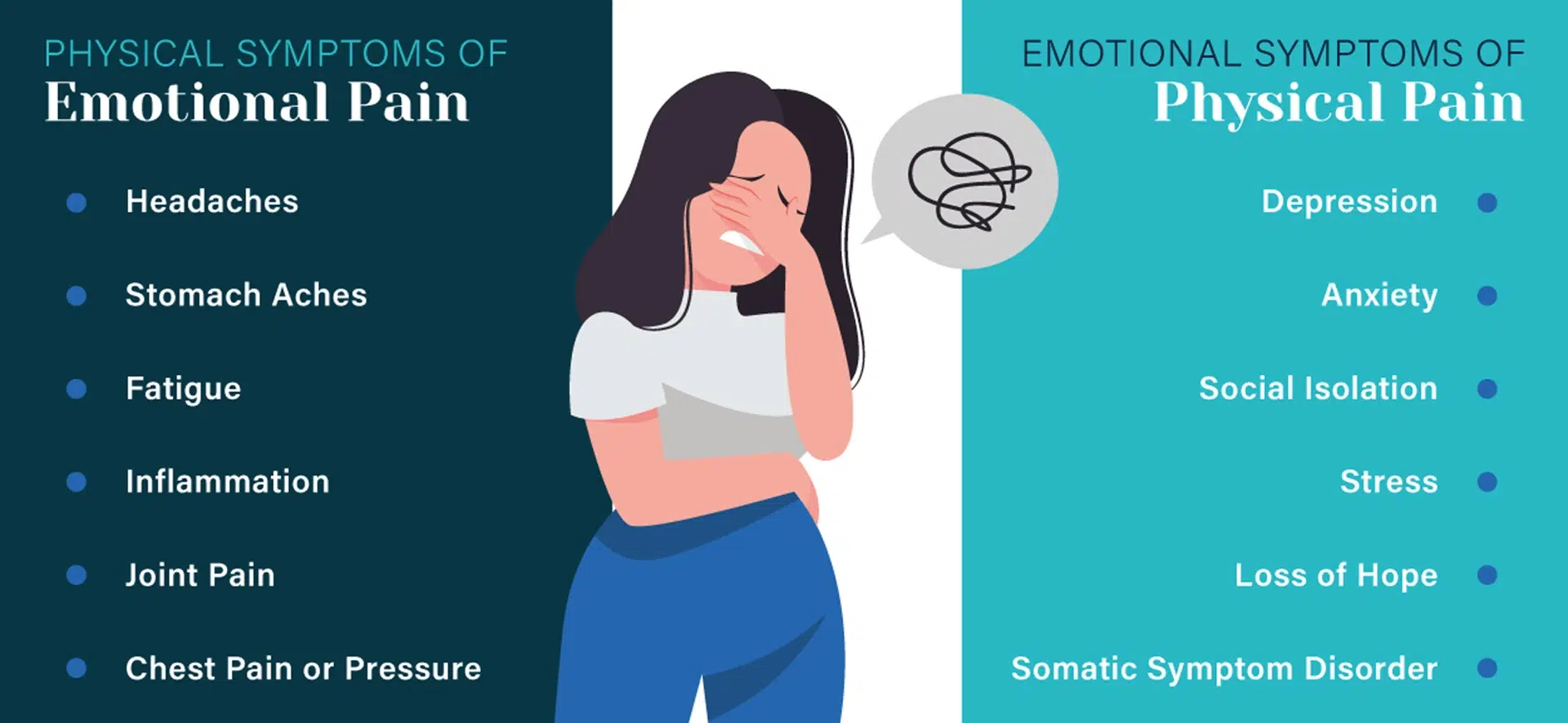
Physical Effects
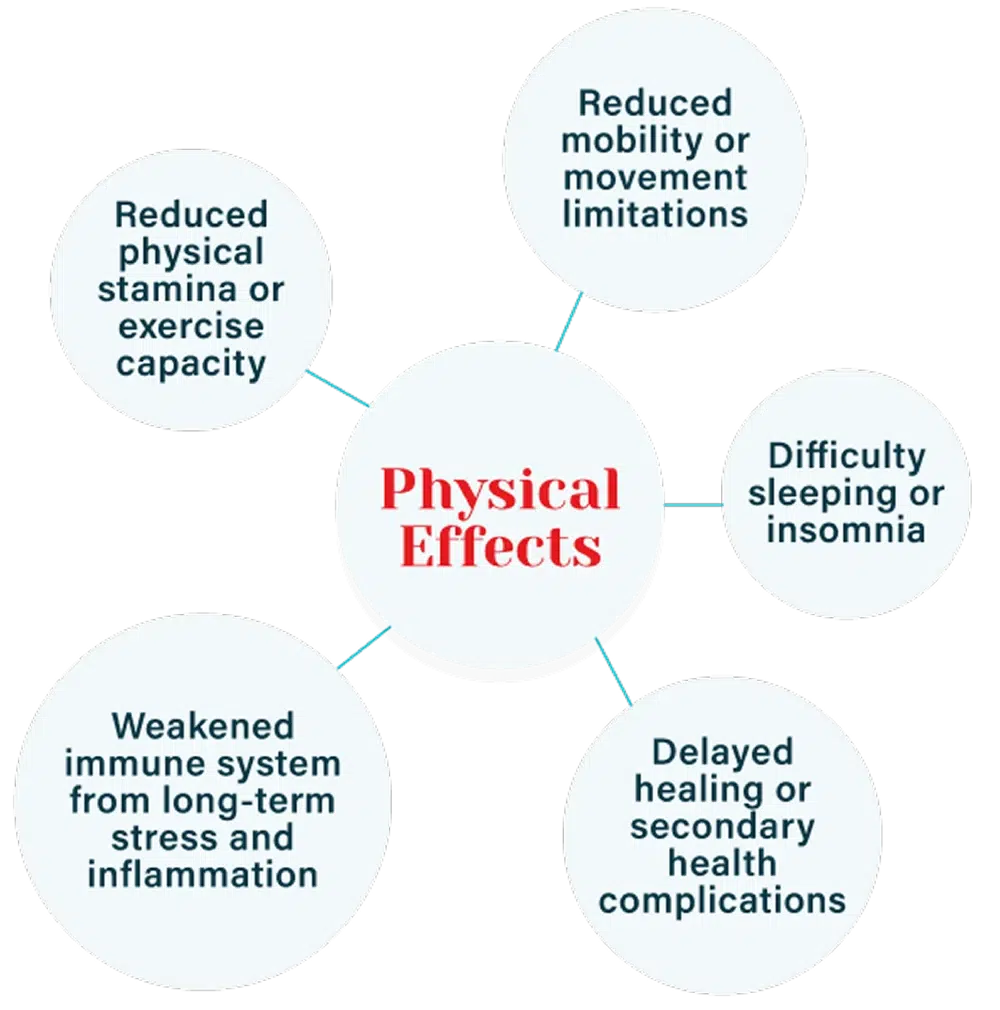
Chronic physical pain can present in multiple forms, such as aching, burning, stiffness, stinging, and throbbing. It can also impact various aspects of the body, including bones, joints, organs, and nerves. This persistent discomfort can have far-reaching effects:
- Reduced mobility or movement limitations
- Difficulty sleeping or insomnia
- Delayed healing or secondary health complications
- Weakened immune system from long-term stress and inflammation
- Reduced physical stamina or exercise capacity
Emotional & Mental Health Effects
Researchers at Johns Hopkins Medicine have found in a worldwide study that 40% of adults suffering from chronic pain also experience symptoms of depression and anxiety. This finding highlights the significant mental health challenges often faced by individuals dealing with ongoing physical discomfort.
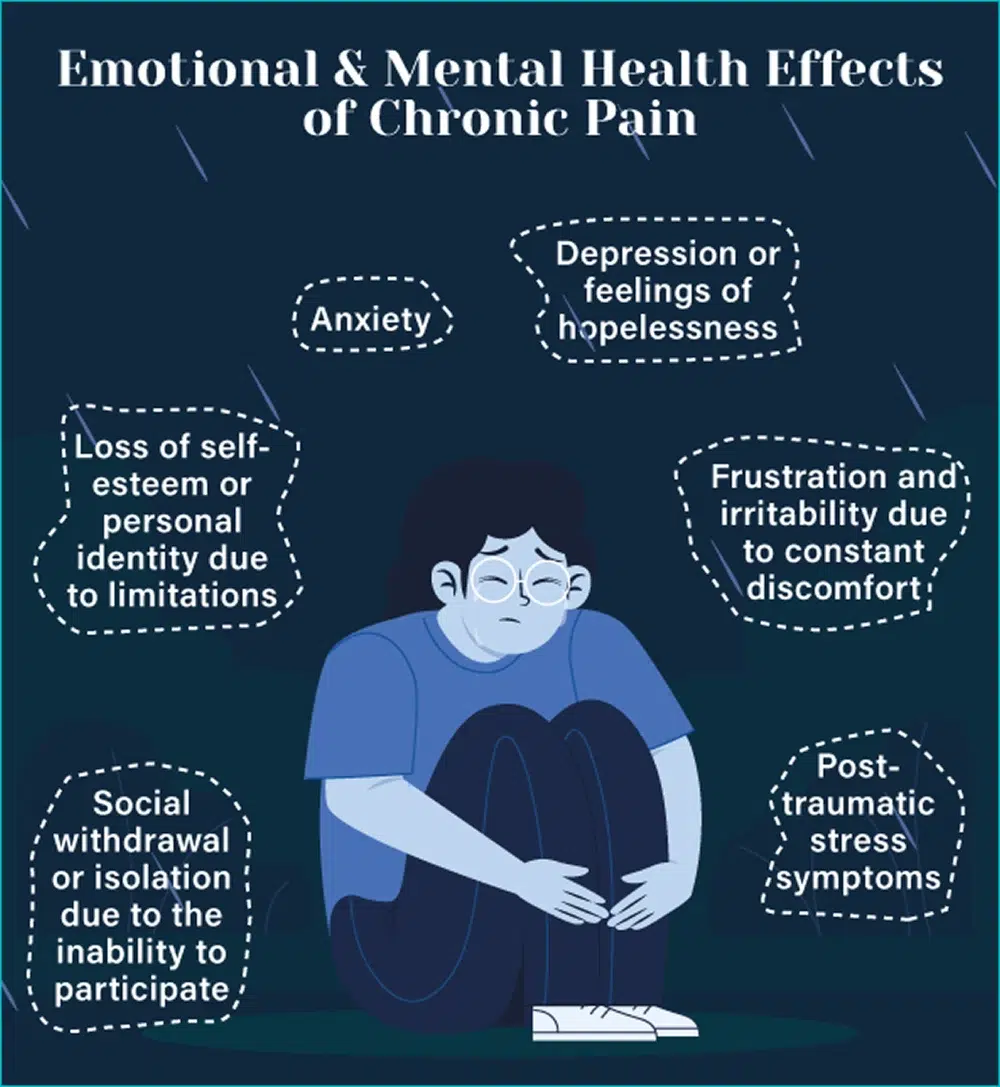
Chronic pain can lead to:
- Anxiety
- Depression or feelings of hopelessness
- Frustration and irritability due to constant discomfort
- Loss of self-esteem or personal identity due to limitations
- Social withdrawal or isolation due to the inability to participate
- Post-traumatic stress symptoms
The Cleveland Clinic notes that approximately 20% of people with chronic pain experience suicidal ideation. If you or a loved one is thinking about suicide, please dial 988 on your phone to reach the Suicide and Crisis Lifeline. Help is available 24/7.
Relationship & Social Effects
Chronic pain presents significant physical and emotional challenges that can adversely affect relationships and social interactions. An article published by the Journal of the International Association for the Study of Pain explains that these social difficulties can hinder progress in pain treatment. This creates a vicious cycle that can be hard to break. Per the article, individuals living with chronic pain, social isolation, and perceived low social support are associated with worsening pain.
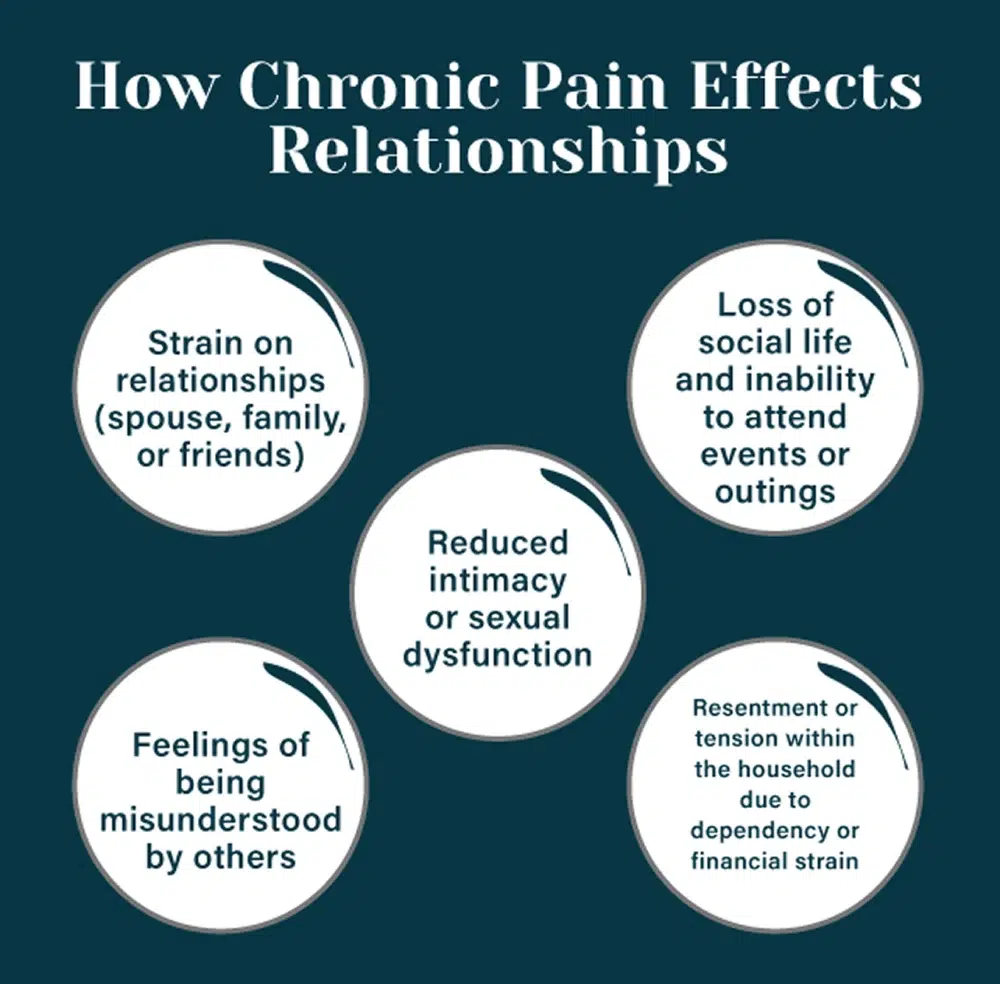
Below are some examples of how chronic pain can complicate socializing and interpersonal relationships:
- Strain on relationships (spouse, family, or friends)
- Reduced intimacy or sexual dysfunction
- Loss of social life and inability to attend events or outings
- Feelings of being misunderstood by others
- Resentment or tension within the household due to dependency or financial strain

Professional & Financial Effects
Chronic pain is recognized by Johns Hopkins Medicine as one of the most significant and costly health issues facing the United States, with economic effects that can last for years. These may include:
- Inability to work or loss of job opportunities
- Reduced income or complete loss of earnings
- Decreased work performance or career setbacks
- Medical expenses and long-term treatment costs
- Ineligibility for certain jobs due to physical limitations
Quality of Life
Chronic pain that is either unmanaged or inadequately managed can have a significant negative effect on your overall daily functioning. Common effects include:
- Loss of independence in daily tasks (dressing, bathing, cooking, etc.)
- Inability to enjoy hobbies or recreational activities
- Increased reliance on assistive devices (canes, walkers, braces, etc.)
- Disruption of routines and daily structure
How to Handle Pain After an Accident
Pain management strategies can address the source of your pain. However, in some cases, pinpointing the cause of chronic pain can be challenging, so pain management may instead focus on alleviating the symptoms. Pain management may include:
- Physical therapy: Strengthening, flexibility, and aerobic exercises.
- Lifestyle changes: Adjusting routines to reduce strain, such as taking breaks during chores or making multiple trips to carry lighter loads.
- Medications: Topical, oral, or injectable treatments for physical pain or related mental health conditions.
- Stress-reduction techniques: Meditation, breathing exercises, or mindfulness to manage frustration or depression.
- Psychological therapies: Counseling or cognitive-behavioral therapy to address the emotional toll of pain.
- Medical procedures or devices: Such as injections, nerve blocks, or surgical interventions, where appropriate.
The U.S. Pain Foundation recommends that patients begin with low-risk, noninvasive treatments, such as physical therapy. To stay organized, it is helpful to keep a binder or folder containing medical documents, appointment details, test results, and other related materials. If you struggle to find an effective treatment, the U.S. Pain Foundation suggests considering clinical trials. These research studies can provide access to therapies that are not yet available to the general public. However, it is important to keep in mind that clinical trials may come with risks and side effects that you should carefully evaluate.
